Sintered Metal Filter Elements & Titanium Components
SS 316L and titanium sintered products with category-specific pore ratings — from 0.22 µm for sintered powder to 5,000 µm for sintered mesh — and temperature capability depending on alloy, structure, and service conditions.
Filter cartridges, porous tubes, discs, sheets — custom pore structures, OEM production, and application-specific builds.
0.22–5,000 µmPore range by product type
Up to 400°CDepending on alloy and duty
SS & TiMaterial Options
ISO 9001 Certified
Export Supply Experience
Custom OEM / ODM
All products are available in standard and custom configurations. Non-standard pore sizes, unusual alloy combinations, and tight-tolerance geometries are part of our normal workload.
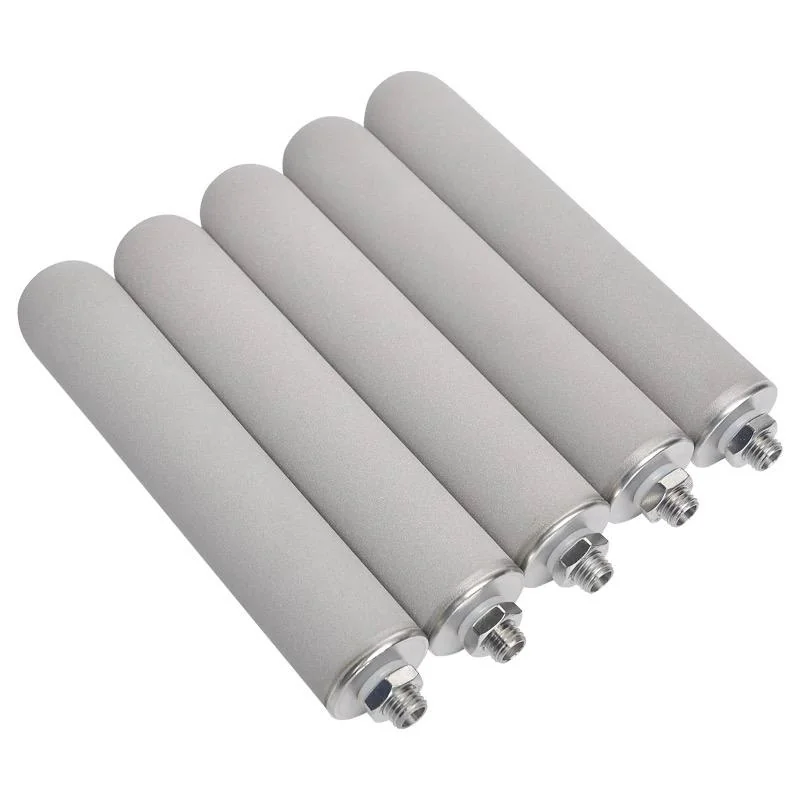
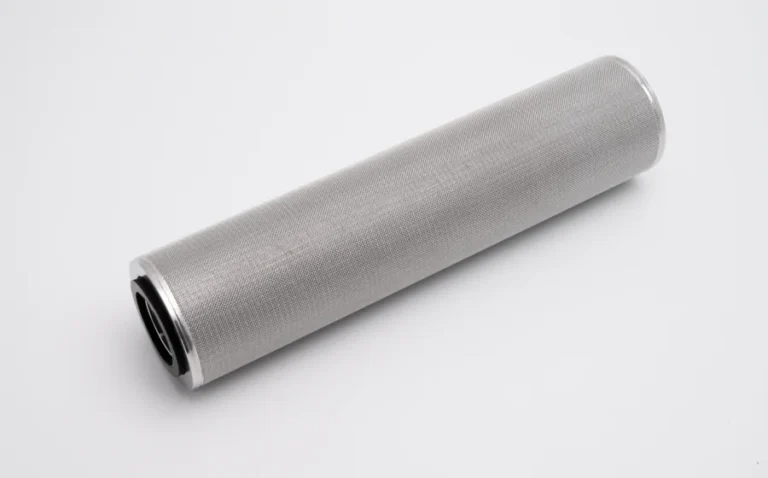
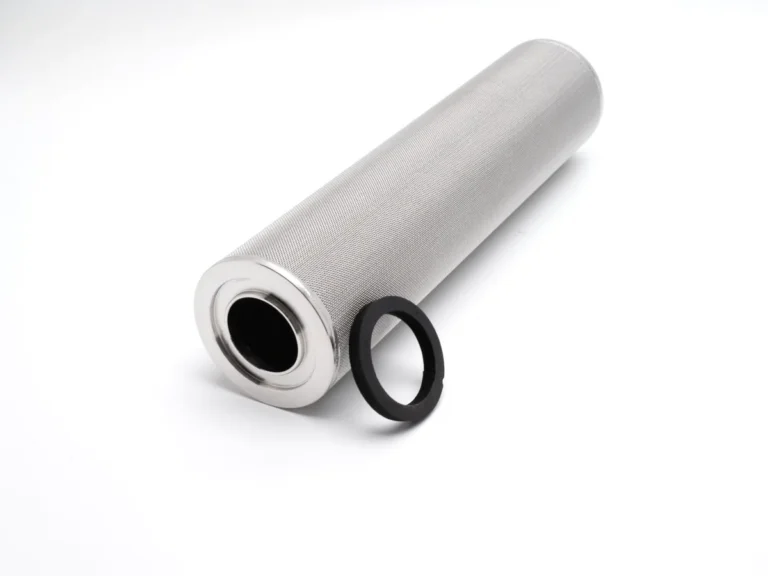
Powder-sintered and pleated-mesh cartridges in SS 316L and titanium. Five types: 0.22–100 µm (sintered powder), 1–5,000 µm (sintered mesh), 1–1,000 µm (pleated mesh). Threaded, flanged, and custom end connections.
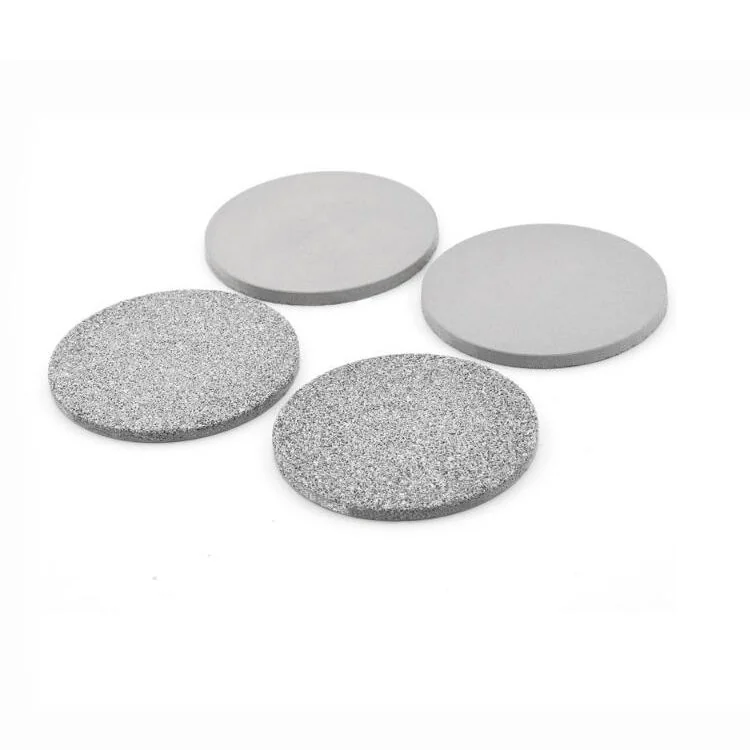
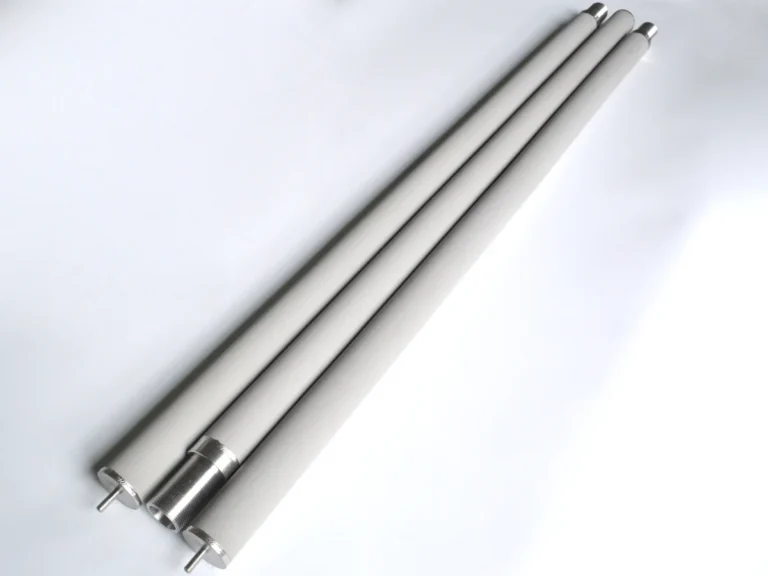
Sintered SS and titanium in tube, plate, and disc formats. Used in gas sparging, flow control, and fluid diffusion. Custom OD, wall thickness, and pore gradient on request.
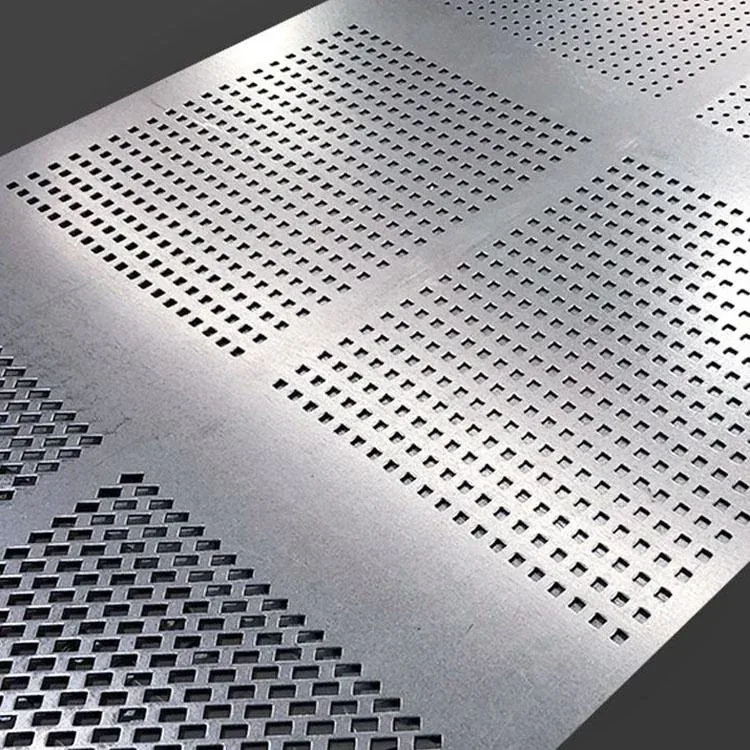
Titanium and SS flat products: woven wire mesh, sintered fiber felt for PEM electrolyzers, and perforated sheet in round, square, and hex patterns. Supplied in standard rolls or cut to size.
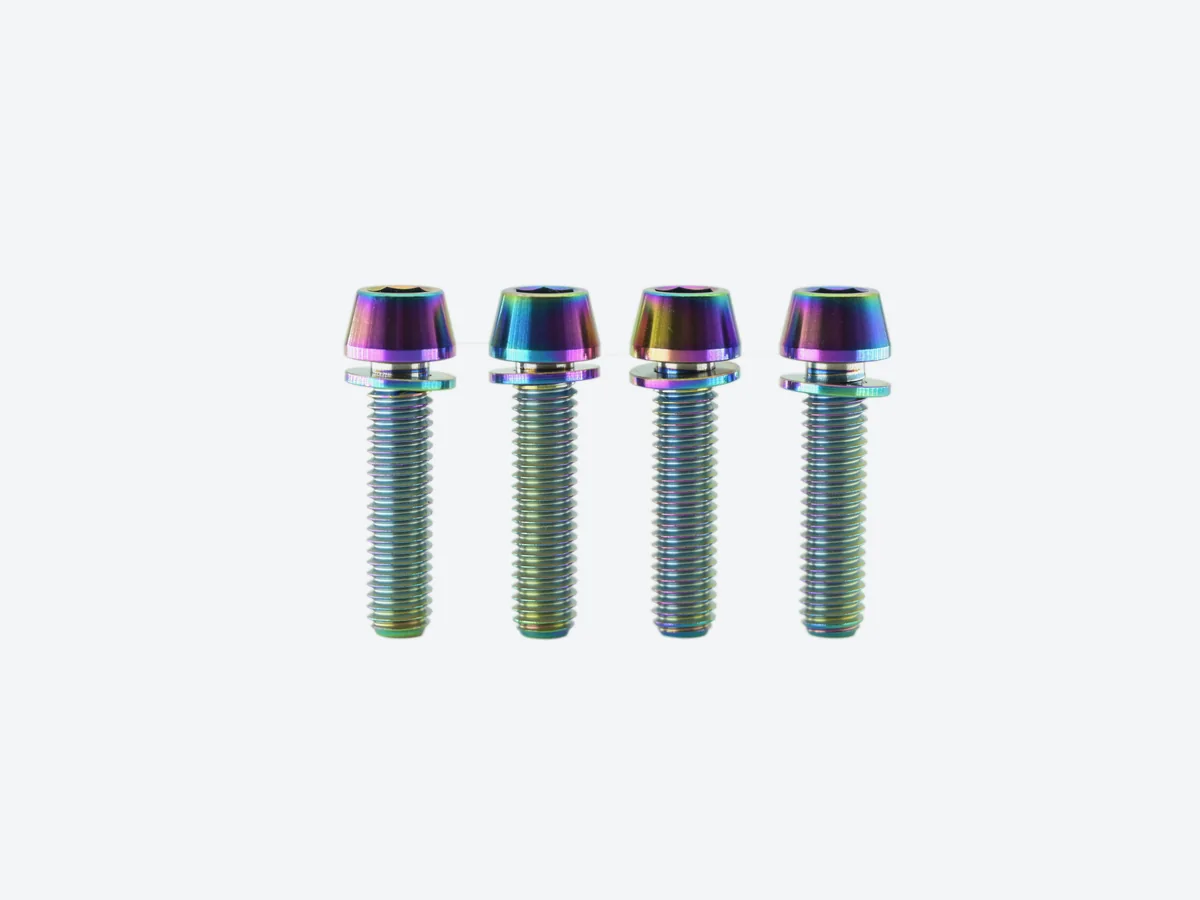
Commercial-pure titanium (Gr. 1–4) and Ti‑6Al‑4V (Gr. 5) bolts, nuts, and machined parts for automotive and motorcycle aftermarket applications. Titanium parts are often selected where weight reduction, corrosion resistance, and appearance matter alongside strength and service life.
From pharmaceutical sterile filtration to hydrogen electrolyzer stacks — our products are specified in processes where consistent filtration performance directly affects product quality or plant uptime.
For most buyers, the key concerns are straightforward: clear technical communication, realistic lead times, and documents that can pass internal review.
01 — Technical Access
You Talk to Engineers, Not Account Managers
Every inquiry at FILTURE is handled by a specialist in that product area - Caleb for fasteners, Sam for sintered filtration, and Stacey for titanium materials.
Shipping can be arranged by sea, air, or courier depending on order size and delivery urgency. If you have a target date, we can suggest the most suitable option when quoting.
Client Feedback
What Our Clients Say About FILTURE
Customer feedback shared from industrial filtration projects, lightly edited for clarity.
"
We needed a custom titanium sintered disc to match an existing housing. The prototype turnaround was fast, the material and dimensional documentation was clear, and the follow-up was straightforward enough that we could move into the next review step without much back-and-forth.
We have sourced titanium fiber felt from three suppliers. In our internal PTL compression testing, FILTURE material showed more consistent layer stability than the alternatives we had used before. Lead times are also more predictable.
We have placed repeat orders over an extended period, and lead times have generally matched what was quoted at order confirmation. For project-based purchasing, that kind of predictability matters more to us than a small unit-price difference.
Procurement ManagerIndustrial Equipment Manufacturer · South Korea
"
They were willing to quote Hastelloy C-276 at a quantity that worked for our development stage, which was difficult to get from several other suppliers we contacted. Communication was clear, and the shipment timing was close to the schedule we were given.
R&D DirectorChemical Processing Company · United States
Quality Verification
Bubble Distribution Testing & Quality Documentation
For porous plates and gas-distribution components, Bubble Distribution analysis is available on request. Results include photographs of bubble uniformity across the effective surface and, where specified, test-condition pressure-drop records. It does not measure pore-size distribution or certify filter-cartridge integrity.
Bubble Distribution Analysis
Available on request for porous plates and gas-distribution components. It observes uniform or non-uniform bubble coverage and can reveal blockage, cracks, weld defects, non-uniform porosity, or inactive areas.
Distribution Photographs
Actual bubble distribution photos showing pore uniformity across the plate or disc surface - a visible, practical record of the product you receive.
Documentation on Request
Bubble distribution test reports, material certificates, and dimensional inspection records are available upon customer request for all porous metal products.
Quick answers on materials, specifications, and ordering. View all FAQs →
What is a sintered metal filter element?
A sintered metal filter element is made by compressing metal powder — typically stainless steel 316L or titanium — under heat until the particles fuse into a rigid, porous structure. That process yields controlled pore sizes — as fine as 0.22 µm for sintered powder types, up to 5,000 µm for sintered mesh — along with high mechanical strength and chemical resistance. Unlike woven mesh, sintered powder structures provide three-dimensional depth filtration that traps particles throughout the wall thickness.
What filtration accuracy can sintered metal filters achieve?
Pore ratings depend on product type: sintered powder filter elements reach 0.22–100 µm, sintered mesh cartridges 1–5,000 µm, and pleated mesh filters 1–1,000 µm. Custom pore sizes outside standard ranges are available on request — contact us with your target particle retention and flow rate requirements.
Can sintered metal filters operate at high temperatures?
Yes. Sintered stainless steel 316L filters are often used for continuous operation up to 400 °C, and titanium sintered filters up to about 400 °C, depending on the alloy, structure, seals, and service conditions. These products are commonly evaluated for hot gas filtration and higher-temperature liquid separation where disposable media may not be suitable.
What materials are available for sintered filter elements?
Standard materials are 316L stainless steel and pure titanium. FILTURE also supplies sintered filters in Monel 400, Hastelloy C-276, Inconel 625, and other alloys for aggressive chemical environments. Material selection depends on your process fluid, operating temperature, and pressure rating. Tell us your process fluid and operating conditions — we'll tell you which alloy fits.
What is the minimum order quantity for custom sintered filters?
MOQ for custom sintered metal filters can start from 1 piece for prototypes and design validation. Production quantities typically start from 10–50 pieces depending on complexity and tooling requirements. Small-batch orders for R&D and pilot projects are common, while many standard catalogue products can be supplied in low quantities.
Have a Filtration Challenge? Let's Solve It.
Send us your specifications — material, pore size, operating pressure, and temperature — and we'll reply with a quote or technical recommendation after review.